A cold that seemed to be settling can sometimes leave you with a blocked nose, pressure around the cheeks or forehead, and thick nasal mucus. So, can sinusitis happen after a cold? Yes. A viral cold can affect the lining of the nose and sinuses, making short-term sinus symptoms more likely. For most people, these symptoms improve without antibiotics or specialised treatment, but the pattern of recovery matters.
Sinusitis is often used to describe inflammation and swelling in the sinuses and nasal passages. Healthcare professionals may use the term acute rhinosinusitis because the nose and sinuses are usually affected together. It is common after a cold, but facial pressure and congestion do not always mean that sinusitis is the cause. Allergies, migraine and other conditions can sometimes produce similar symptoms.
Why sinusitis can happen after a cold
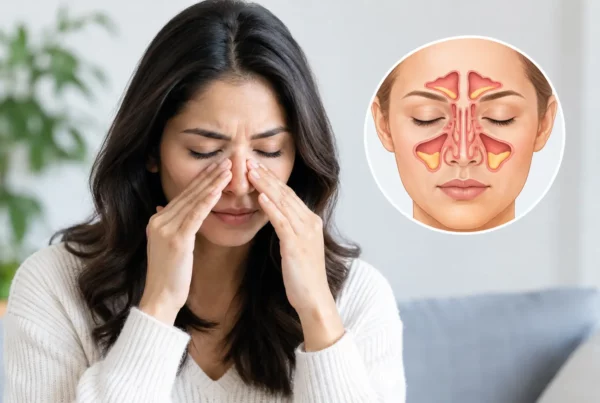
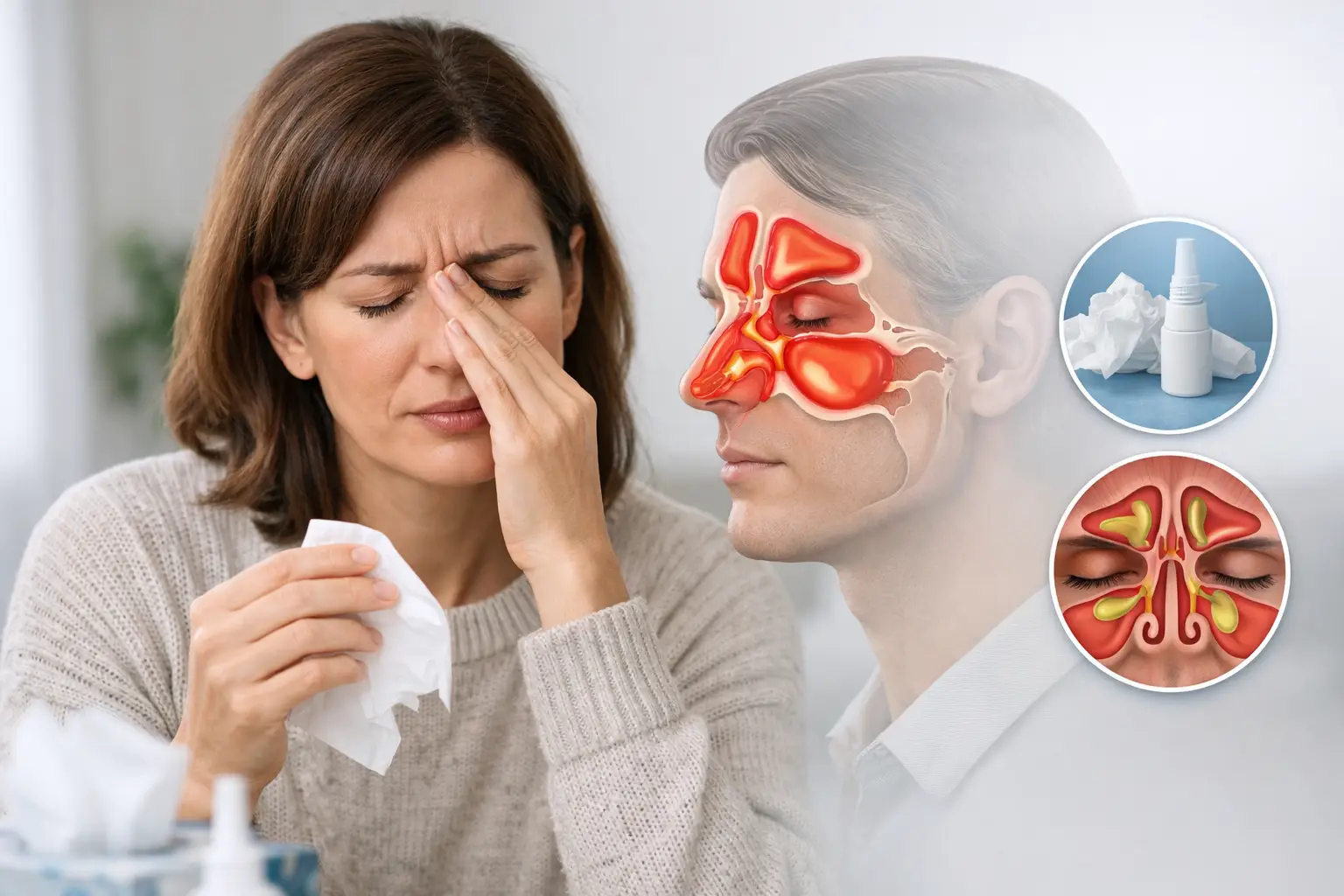
The sinuses are air-filled spaces behind the forehead, cheeks and eyes. They connect to the inside of the nose through small openings. During a cold, a virus can cause the nasal lining to swell and produce more mucus. This can temporarily narrow those openings and make mucus harder to clear.
That change may lead to a feeling of fullness or pressure in the face, a blocked or runny nose, reduced sense of smell, and mucus that may be yellow or green. Coloured mucus alone does not show that a bacterial infection is present or that antibiotics are needed. Viral infections commonly change the colour and thickness of nasal mucus as they develop.
Many people start to feel better within a week or two of a cold. Acute sinus symptoms can take a little longer to fully settle because the nasal lining may remain irritated after other cold symptoms have eased. Recovery is not always perfectly linear: congestion may feel worse in the morning, for example, or fluctuate over several days.
Signs your cold may be affecting your sinuses
A post-cold sinus problem may involve nasal blockage or discharge alongside pressure, discomfort or tenderness around the cheeks, eyes or forehead. Some people notice a reduced ability to smell, a feeling of mucus at the back of the throat, or a cough that is more noticeable at night.
Pressure may be more apparent when bending forward, but this is not a reliable way to diagnose sinusitis. Likewise, a headache is not automatically a sinus headache. If headaches are severe, unusual for you, or occur with neurological symptoms, seek medical advice rather than assuming congestion is responsible.
Symptoms that last fewer than 10 days and are gradually improving are more likely to be part of a usual viral illness. A clinician may be more concerned about acute bacterial sinusitis when symptoms persist without improvement for around 10 days, become severe, or clearly worsen after an initial improvement. This worsening pattern is sometimes called a double-sickening illness.
What you can do at home
For mild symptoms, self-care is often reasonable while you monitor how you feel. Rest, fluids and avoiding cigarette smoke can make a difficult cold more manageable. Warm drinks may soothe a sore throat, although they do not treat the underlying cause of sinus symptoms.
Simple pain relief, such as paracetamol/acetaminophen or ibuprofen if suitable for you, may help with pain, fever or general discomfort. Ask a pharmacist or qualified healthcare professional before using these medicines if you are pregnant, have a medical condition, take other medicines, or are unsure which option is appropriate.
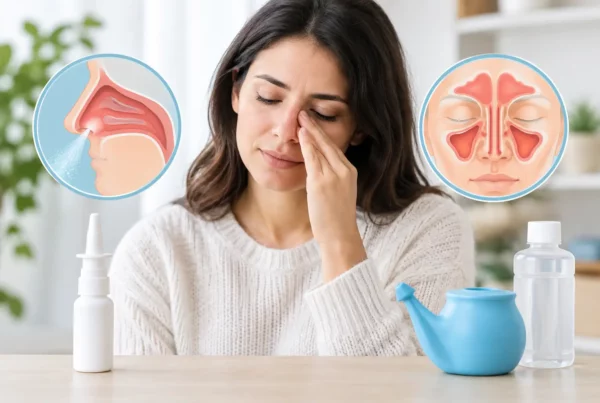
Saline nasal sprays or rinses may be considered by some adults to moisturise the nose and help clear nasal secretions. If you use a rinse device, follow its instructions carefully and use water that is sterile, distilled or previously boiled and cooled. Do not share nasal devices with others.
Some people use a short course of a pharmacy decongestant for troublesome blockage. These products are not suitable for everyone and should not be used for longer than stated on the product label, as overuse of some nasal decongestant sprays can lead to rebound congestion. A pharmacist can help you consider interactions, high blood pressure, glaucoma, pregnancy and other factors that may affect suitability.
Steam inhalation is often suggested for congestion, but evidence of meaningful benefit is limited and there is a real risk of scalding from hot water. A warm shower or a comfortably humid room may feel soothing for some people, but avoid leaning over bowls of hot water. Essential oils should not be put inside the nose.
Give symptoms time, but keep an eye on the trend
The useful question is not only, “How bad do I feel today?” but also, “Am I gradually improving?” Keep track of when symptoms began, whether they improved and then worsened, and any new symptoms. This information can help a doctor or qualified healthcare professional assess what is happening if you need advice.
Antibiotics are not routinely needed for most post-cold sinus symptoms because viruses are the usual cause. When a clinician suspects a bacterial infection or another problem, they will consider your symptom duration, severity, medical history and examination findings before discussing the most appropriate care.
When to speak to a healthcare professional
Contact a doctor or qualified healthcare professional if symptoms have not started to improve after about 10 days, if they persist for several weeks, or if they repeatedly return. It is also sensible to seek advice earlier if pain is substantial, symptoms are affecting daily life, you have a weakened immune system, or you have a long-term health condition that makes infections harder to manage.
Seek urgent medical help for swelling or redness around an eye, changes in vision, severe frontal headache, confusion, a stiff neck, persistent high fever, or if you become seriously unwell. These symptoms are uncommon, but they need prompt assessment.
Children, pregnant people and people with particular health conditions may need individual advice. This article is written for general adult information and cannot determine the cause of any one person’s symptoms.
If sinus symptoms keep coming back
Repeated episodes deserve a conversation with a qualified healthcare professional, particularly if you never feel fully clear between them. Ongoing nasal blockage may relate to allergies, nasal polyps, structural differences inside the nose, smoking, dental problems or other causes. Chronic rhinosinusitis is different from a single post-cold episode and needs proper assessment rather than repeated self-treatment.
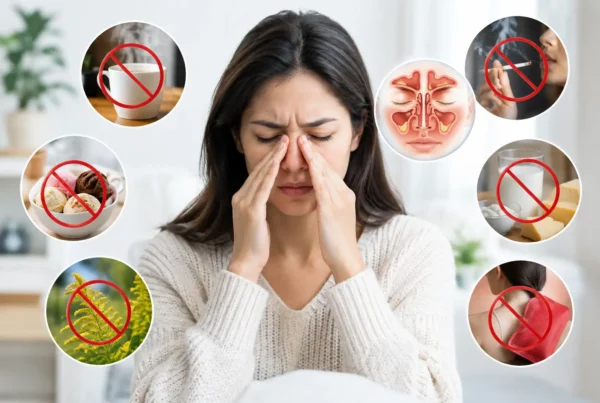
It can also help to think about triggers. Seasonal symptoms, itching and sneezing may point towards allergy, while one-sided facial or dental pain may need a different assessment. Avoiding known smoke or irritant exposure can support general nasal comfort, but it will not explain every case.
A sensible next step after a cold
Post-cold sinus discomfort is common, and improvement often comes with time and supportive care. If your symptoms are mild and steadily easing, it is usually reasonable to focus on comfort, hydration and safe symptom relief. If they are worsening, unusually severe, prolonged or recurrent, getting advice is the clearer and safer next step.
This content is for general information only and does not replace advice from a qualified healthcare professional. Always read and follow the product label, package leaflet or instructions for use. Seek medical advice if symptoms are severe, persistent, worsening, recurrent or concerning.
A cold may leave the nose and sinuses feeling unsettled for longer than expected, but paying attention to the direction of travel – improving, unchanged or worsening – can help you decide when reassurance is enough and when it is time to ask for support.
References
NICE. Sinusitis (acute): antimicrobial prescribing. NICE guideline NG79.
NHS. Sinusitis (sinus infection): symptoms, self-care and when to get help.
Fokkens WJ and colleagues. European Position Paper on Rhinosinusitis and Nasal Polyps 2020. Rhinology, 2020.