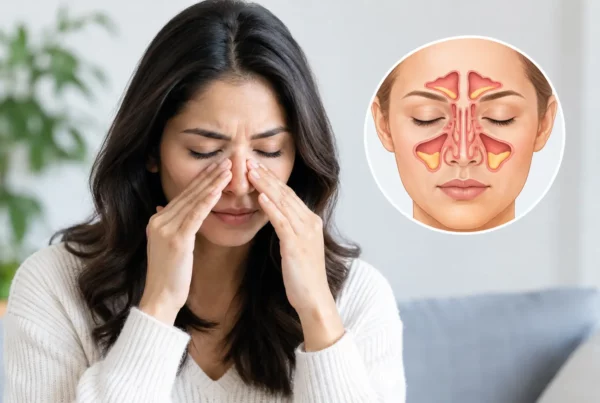
A blocked nose can make ordinary things feel harder than they should: sleeping, concentrating, tasting food, even bending down to tie your shoes. This guide to safe sinus self care explains what you can reasonably try at home, what to avoid, and when symptoms need the attention of a doctor or qualified healthcare professional.
Sinus symptoms often follow a cold, but congestion, facial pressure, reduced sense of smell and mucus can have several possible causes. Allergies, irritants and other nasal conditions may produce similar symptoms. Self-care can be useful for mild, short-lived symptoms, but it should not replace assessment when your symptoms are severe, unusual or not improving.
Start with comfort, fluids and rest
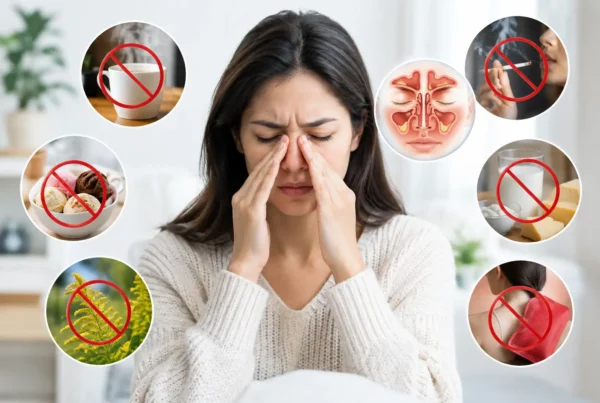
When you are congested, the most helpful measures are often the least complicated. Rest where possible, drink regularly and avoid smoking or smoky environments, which can further irritate the lining of the nose and airways. Warm drinks may feel soothing, although they do not treat the underlying cause.
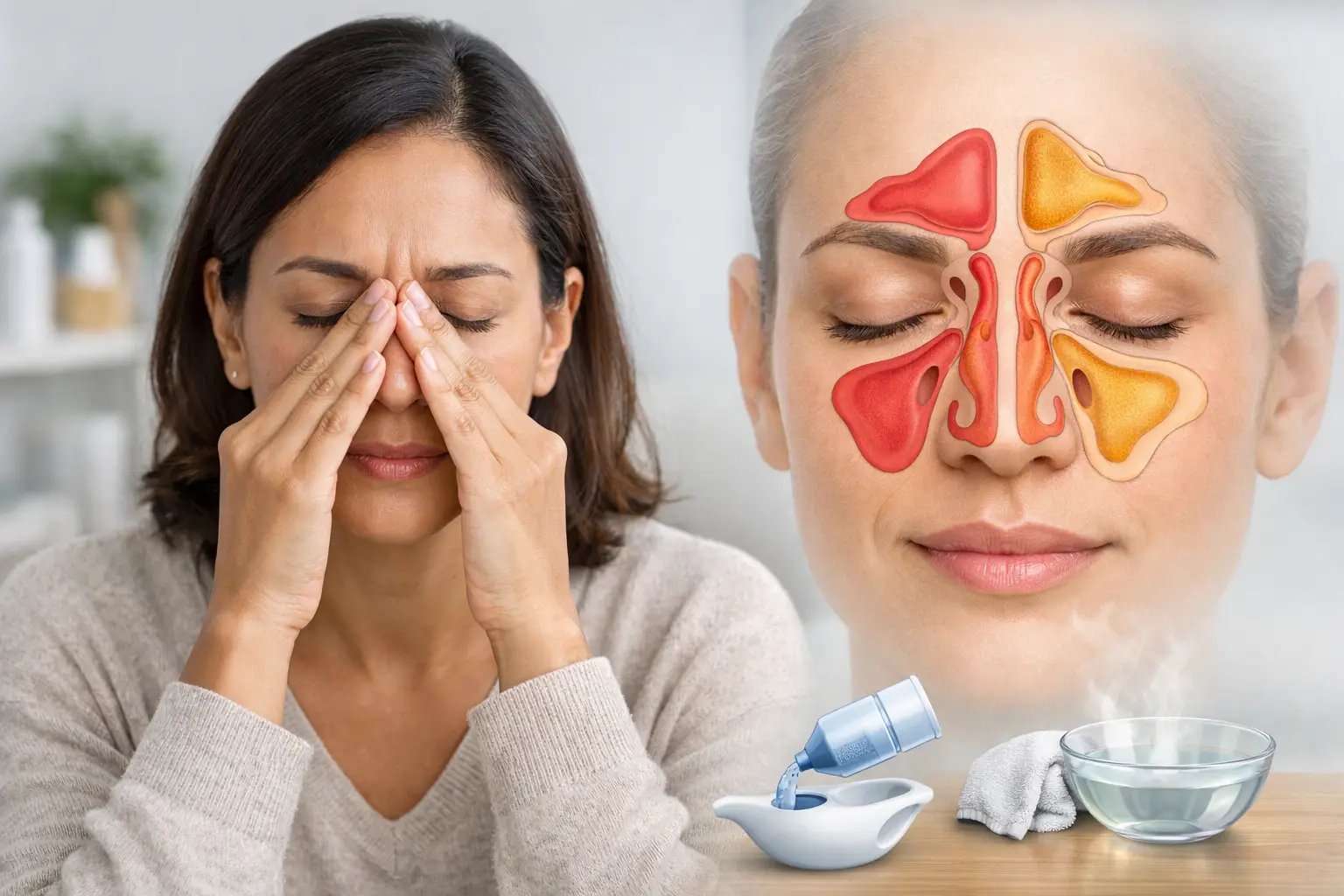
A warm flannel held gently over the face can provide temporary comfort for some people with facial pressure. Take care not to use water that is hot enough to burn the skin. A comfortably warm shower may also feel pleasant, but steam inhalation over a bowl of hot water is not recommended because of the risk of scalds and the limited evidence that it improves sinus symptoms.
If dry indoor air is making your nose feel uncomfortable, a clean humidifier may help some people feel more comfortable. It needs regular cleaning according to the manufacturer’s instructions. A poorly maintained humidifier can spread mould or germs into the air.
Use nasal saline carefully
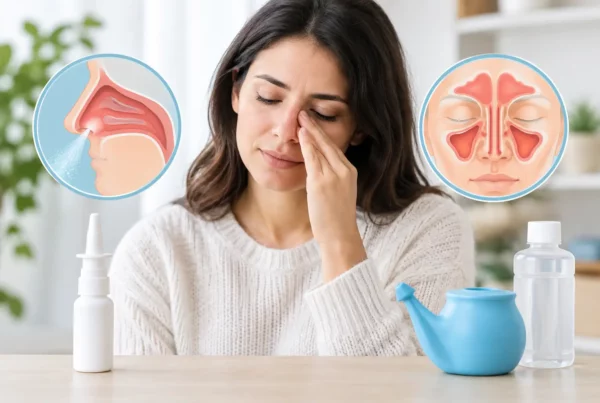
Saline sprays, drops and rinses can be considered to moisten the nasal passages and help clear mucus. They do not suit every situation, and the best option depends on your symptoms, preference and ability to use the product correctly.
A ready-prepared saline spray is often the simplest choice. If you use a squeeze bottle, neti pot or other irrigation device, follow its instructions closely. Use only sterile, distilled or previously boiled and cooled water, not plain water directly from the tap. Keep the device clean and allow it to dry between uses.
Stop and seek advice if nasal rinsing causes significant pain, nosebleeds, ear discomfort or worsening blockage. People who have had recent nasal or sinus surgery, have a known structural nasal problem, or have a weakened immune system should check with a qualified healthcare professional before trying irrigation.
Be cautious with medicated decongestant sprays
Short-term decongestant nasal sprays may reduce the feeling of a blocked nose for some adults, but they are not suitable for everyone. Using them for longer than the period stated on the product label can make congestion worse when the medicine is stopped. This is sometimes called rebound congestion.
Ask a pharmacist or doctor before using a decongestant if you are pregnant or breastfeeding, have high blood pressure, heart disease, glaucoma, thyroid problems, diabetes, prostate problems, or take other medicines. The same care applies to oral decongestants, which can cause side effects and interact with medicines.
Manage pain without masking warning signs
Facial pressure, headache and aching around the cheeks, forehead or eyes can be uncomfortable. Paracetamol/acetaminophen or ibuprofen may be appropriate for some adults when used as directed on the label. They are not suitable for everyone, so check with a pharmacist if you have a medical condition, take regular medication, are pregnant, or are unsure which option is appropriate.
Do not take more than one product containing paracetamol/acetaminophen at the same time. Cold and flu remedies may contain it too. Ibuprofen and other anti-inflammatory painkillers may not be appropriate for people with a history of stomach ulcers, kidney disease, certain asthma symptoms, or those taking particular medicines.
Pain relief can make you more comfortable, but it should not be used to push through symptoms that are getting markedly worse. Severe one-sided pain, swelling around the eye or a new severe headache needs medical assessment rather than repeated self-treatment.
Give mild symptoms a sensible amount of time
Many sinus symptoms linked to a viral cold improve gradually without antibiotics. In the first days, it is common for congestion and mucus to fluctuate. Mucus may become thicker or change colour during a cold, and colour alone does not show whether antibiotics are needed.
What matters more is the overall pattern. Are you slowly improving, staying the same, or becoming worse after a brief improvement? If symptoms last around 10 days without getting better, persist for several weeks, recur frequently, or interfere substantially with daily life, speak to a doctor or qualified healthcare professional. They can consider other causes and advise on suitable treatment.
A pharmacist can also be a useful first point of contact for advice on non-prescription options, especially if you need help choosing a product or checking whether it is compatible with other medicines.
Avoid common self-care mistakes
A few well-meant approaches can cause more trouble than benefit. Do not put essential oils, undiluted herbal products or other irritants inside the nose. They may irritate the delicate nasal lining and are not a substitute for evidence-based care.
Avoid using leftover antibiotics or antibiotics prescribed for someone else. Antibiotics do not help most short-term sinus symptoms caused by viruses, and using them when they are not needed can cause side effects and contribute to antibiotic resistance. In some circumstances, a clinician may decide antibiotics are appropriate, which is why persistent or worsening symptoms deserve proper assessment.
Try not to combine several cold, flu, pain relief and decongestant products without checking the ingredients. Accidental duplication is easy, particularly when you are tired or unwell. If in doubt, ask a pharmacist before taking them together.
When sinus self-care is not enough
Seek urgent medical advice if you have swelling, redness or pain around an eye; changes to vision; severe headache; confusion; a stiff neck; fainting; severe facial swelling; or you feel seriously unwell. These symptoms are uncommon, but they need prompt assessment.
Contact a doctor or qualified healthcare professional promptly if you have a high or persistent fever, severe pain not controlled by appropriate pain relief, symptoms that rapidly worsen, or symptoms that improve and then clearly deteriorate. The threshold for seeking advice should also be lower if you have a weakened immune system or a significant long-term health condition.
For recurrent congestion or facial pressure, it is worth keeping a brief note of when symptoms occur, how long they last and possible triggers such as pollen, smoke or workplace irritants. This can help a healthcare professional assess whether allergies or another ongoing condition may be contributing.
Choose products with the label in mind
Sinus-focused products may be considered only when they are suitable for you and used for their authorised intended purpose. Different products have different age restrictions, warnings, contraindications and directions, and availability can vary between markets.
Read and follow the product label, package leaflet or instructions for use before starting any nasal product. If you are considering Nasodren®, or another sinus-focused nasal product, check its current approved information in your country and ask a pharmacist or qualified healthcare professional if you are unsure whether it is appropriate for your symptoms.
A gentle, consistent approach is usually more useful than trying several remedies at once. Focus on comfort, careful use of suitable products and the direction your symptoms are taking. If something does not feel right, or the pattern is not improving as expected, seeking advice is a sensible next step.
This content is for general information only and does not replace advice from a qualified healthcare professional. Always read and follow the product label, package leaflet or instructions for use. Seek medical advice if symptoms are severe, persistent, worsening, recurrent or concerning.
References
NICE. Sinusitis (acute): antimicrobial prescribing, NG79.
NHS. Sinusitis (sinus infection): symptoms, self-care and when to seek help.
UK Health Security Agency. Guidance on using nasal rinses safely.
NHS. Decongestants: who can use them and how to use them safely.