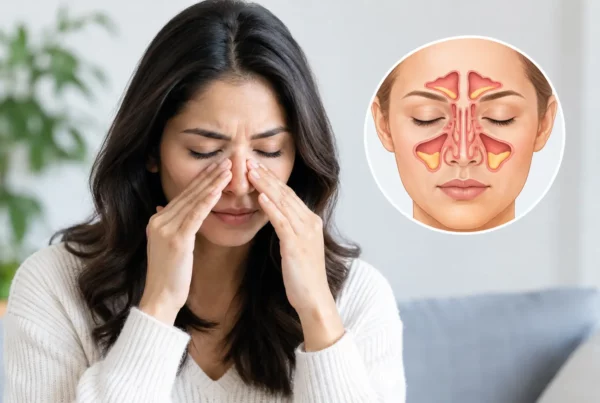
A hot shower can feel particularly welcome when your nose is blocked and your face feels heavy after a cold. If you are wondering how to use steam for congestion, the safest approach is usually gentle, indirect steam from a shower or a comfortably humid bathroom – not leaning over a bowl of boiling water.
Steam may temporarily make the nose feel less dry and help some people feel more comfortable while congested. However, it is not a proven treatment for sinusitis or a cure for the infection, allergy or irritation that may be causing symptoms. It should be one part of sensible self-care, alongside fluids, rest and attention to symptoms that need medical advice.
What steam can – and cannot – do for congestion
Congestion happens when the lining of the nose becomes irritated or swollen, and mucus may become harder to clear. This can occur with a cold, allergies, exposure to irritants or sinus-related symptoms. Warm, moist air may soothe a dry or irritated nose and throat for a short time. Some people also find that it helps loosen the feeling of thick mucus.
The effect varies from person to person, and relief is often temporary. Research into heated humidified air for the common cold has not shown consistent benefit. That does not mean a warm shower cannot feel comforting, but it does mean steam should not be relied on to resolve ongoing facial pain, a prolonged blocked nose or suspected sinusitis.
Steam also does not replace treatment recommended by a doctor or qualified healthcare professional. In particular, it cannot tell you whether symptoms are caused by a viral infection, allergy, dental problem or another condition.
How to use steam for congestion with less risk
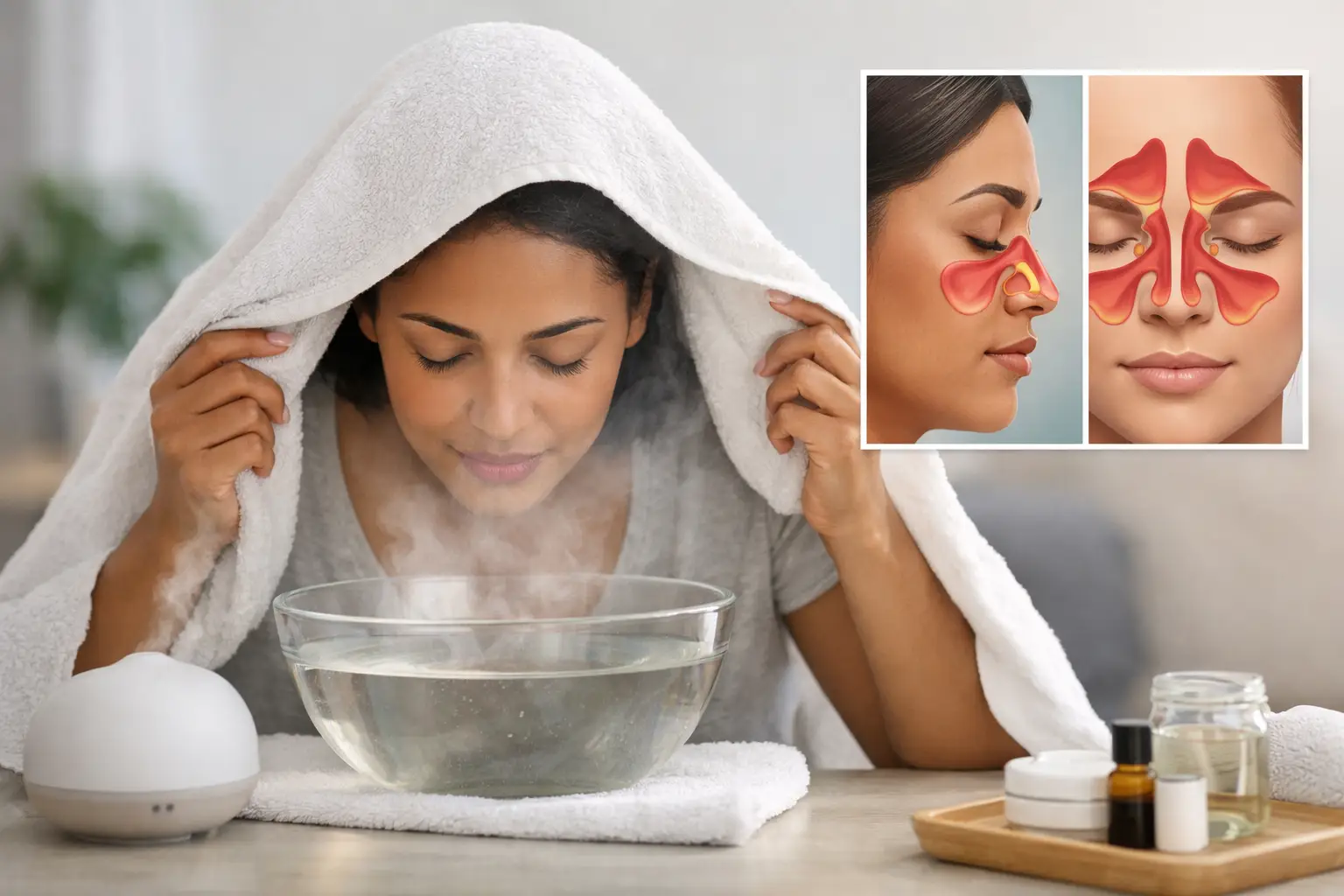
The key is to avoid direct exposure to very hot water or steam. Scald injuries from bowls, kettles and pans of hot water can be serious, and burns services have repeatedly warned about this risk. Adding a towel over the head can trap heat close to the skin and airways, making this method less safe.
Choose a warm shower or steamy bathroom
Run a warm shower and sit or stand in the bathroom for several minutes, breathing normally. The room should feel comfortably warm, not intensely hot. There is no need to put your face close to the water stream, and you should leave the room if you feel light-headed, too hot or short of breath.
A warm shower may be preferable to a very hot one, particularly if you tend to feel dizzy or have a condition affected by heat. Take care when stepping out, as bathroom floors can be slippery.
Keep the session brief and comfortable
There is no established ideal duration or frequency for steam exposure. A few minutes while showering is generally enough to judge whether it makes you feel more comfortable. Longer sessions or very high temperatures are unlikely to add benefit and may leave you dehydrated, overheated or uncomfortable.
Drink water regularly, especially if you have a fever or are producing more mucus than usual. Warm drinks may also soothe a scratchy throat, although they will not clear a blocked nose on their own.
Avoid bowls of boiling water
Do not inhale steam directly from a bowl, pan or kettle, and do not ask a child to do so. A spill can cause burns to the face, chest, hands or lap in seconds. Hot-water inhalation is also not a good choice if you are tired, unwell, caring for a child or likely to be interrupted.
Avoid adding essential oils, menthol products or other substances to hot water unless a qualified healthcare professional has advised you to do so. Strong scents can irritate the nose, eyes and airways in some people, and oils can trigger symptoms in people with sensitivities or asthma. They should never be placed inside the nose.
Is a humidifier a useful alternative?
A humidifier may help if indoor air is unusually dry, especially during colder months when heating is on. The aim is comfortable humidity, not a damp room. Excess moisture can encourage mould and dust mites, which may aggravate allergy symptoms for some people.
Clean the device exactly as the manufacturer instructs and empty it regularly. A poorly maintained humidifier can spread mineral deposits or microbes into the air. If you notice damp patches, condensation on windows or a musty smell, reduce use and improve ventilation.
For many people, a warm shower is simpler than buying a humidifier. If dry air is a recurring problem, a pharmacist can help you consider whether a humidifier, saline product or another option is appropriate for your symptoms.
Other self-care that may be worth considering
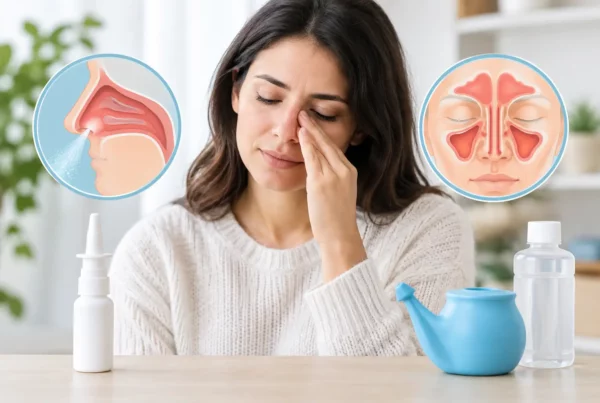
Steam is only one comfort measure. Rest, fluids and avoiding cigarette smoke or vaping can support recovery from a cold and reduce further irritation. If you have nasal congestion, saline sprays or rinses may be considered by some adults, provided they are used according to the product instructions.
For rinses, use only sterile, distilled or previously boiled and cooled water. Do not use plain tap water directly in a nasal rinse device. Keep bottles and devices clean, and do not share them.
If pain or fever is troubling you, paracetamol may be suitable for some adults when used as directed on the pack. Ibuprofen may be an option for some people, but it is not suitable for everyone. A pharmacist can advise if you are pregnant, have asthma, stomach, kidney, heart or liver problems, take regular medicines, or are unsure which pain relief is suitable.
Decongestant sprays and tablets may provide short-term symptom relief for some adults, but they have important limitations. Nasal decongestant sprays should not generally be used for longer than stated on the label, as overuse can make blockage worse. Ask a pharmacist before using a decongestant if you have high blood pressure, heart disease, glaucoma, thyroid problems, prostate problems, are pregnant or take other medicines.
When steam is not the right approach
Do not use a hot, steamy environment if it makes breathing harder, causes wheeze, dizziness or chest discomfort. People with asthma or other lung conditions can be sensitive to humid air or fragrances, so individual advice may be helpful.
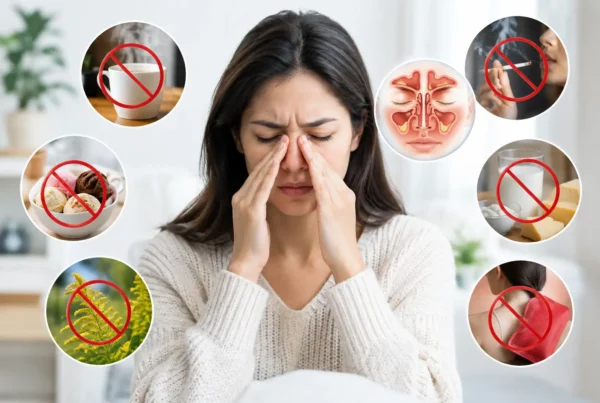
Steam should not delay assessment if symptoms are severe or do not follow a typical cold pattern. Facial pressure can have several causes, and a headache or facial pain is not always due to the sinuses.
Speak to a doctor or qualified healthcare professional promptly if you have swelling or redness around an eye, changes in vision, severe headache, confusion, a stiff neck, shortness of breath, chest pain, or you feel very unwell. Seek advice if facial pain is severe, symptoms are getting worse after initially improving, congestion or discharge persists for around 10 days without improvement, or symptoms keep returning.
It is also sensible to ask for advice sooner if you have a weakened immune system, are receiving treatment that affects immunity, or have a long-term condition that makes respiratory infections harder to manage.
A realistic role for steam in sinus discomfort
Steam can be a comforting ritual when congestion makes you feel dry, blocked or generally miserable. Keep expectations modest: use it for comfort rather than as a treatment in itself, choose indirect warmth rather than boiling water, and stop if it does not feel right.
If you are considering a sinus-focused nasal product, read and follow the product label, package leaflet or instructions for use, and check with a pharmacist or qualified healthcare professional if you are unsure whether it is suitable for you.
References
NHS guidance on burns and scalds, including risks associated with hot-water steam inhalation; Cochrane evidence review on heated, humidified air for the common cold; NHS guidance on sinusitis and when to seek medical advice; UK Health Security Agency advice on respiratory infections and self-care.
This content is for general information only and does not replace advice from a qualified healthcare professional. Always read and follow the product label, package leaflet or instructions for use. Seek medical advice if symptoms are severe, persistent, worsening, recurrent or concerning.
A comfortable shower, rest and careful symptom monitoring are often a more sensible combination than intense steam. If congestion is not settling or something about your symptoms concerns you, asking for advice is a practical next step.