A bowl of steaming water can feel like a familiar response to a blocked nose or facial pressure after a cold. However, steam inhalation safety for sinus symptoms deserves more attention than it often receives. Hot-water steam can cause serious scalds, while evidence that it meaningfully improves sinus symptoms is limited. For most adults, there are lower-risk ways to stay comfortable while symptoms settle.
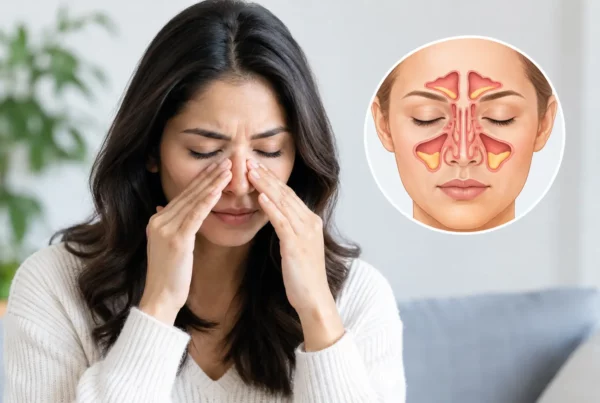
Sinus symptoms can include a blocked or runny nose, pressure around the cheeks, eyes or forehead, reduced sense of smell, and mucus at the back of the throat. These symptoms commonly occur with colds and other upper respiratory infections, but facial pain and headache can have several causes. Self-care should be guided by the whole pattern of symptoms, not by one symptom alone.
Why hot steam is not a risk-free remedy
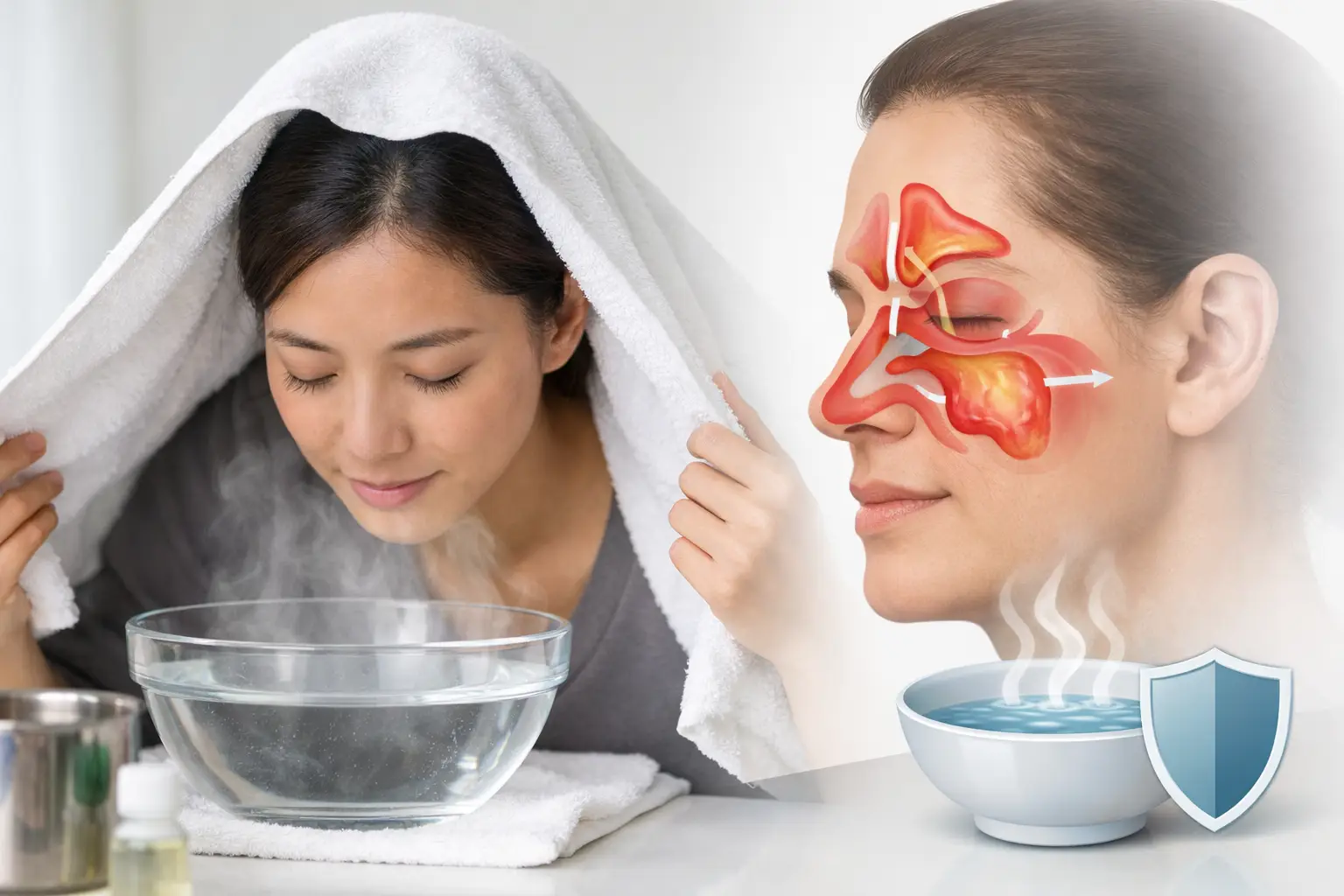
Steam inhalation usually means leaning over a bowl, basin or sink of hot water with a towel placed over the head. The concern is not simply that the steam feels hot. A bowl can be knocked over, water can spill while being carried, or a person may move suddenly after coughing, sneezing or becoming light-headed. The face, neck, chest and hands are particularly vulnerable to scalds.
Burns from hot water can be deeper than they first appear. Even a brief spill may need urgent medical assessment, especially if the skin is blistered, pale, charred, numb or very painful, or if a large area is affected. Children are at particular risk around hot water, but adults can also be injured when tired, unwell or caring for someone else.
Steam can also feel uncomfortable for people with sensitive airways. Very warm, humid air may trigger coughing or breathlessness in some people, including those with asthma or other respiratory conditions. If breathing feels tight, wheezy or uncomfortable, stop and seek advice from a doctor or qualified healthcare professional.
Does steam help sinus symptoms?
Warm, moist air may create a short-lived feeling of comfort for some people with nasal congestion. That subjective effect is different from proving that steam clears sinus passages, treats infection or changes the course of sinusitis. Research has not established steam inhalation as a reliable treatment for sinus symptoms, and clinical guidance generally prioritises safe symptom relief over hot-water inhalation.
The trade-off is therefore straightforward: a possible temporary sensation of warmth and moisture needs to be weighed against a genuine risk of scalding. If you find humidity soothing, a warm shower or sitting in a comfortably steamy bathroom may be a safer alternative than using a bowl of hot water. Keep the water temperature comfortable, avoid very hot showers if you feel faint, and leave the room if you become dizzy or short of breath.
Humidifying the air at home may suit some people, particularly when central heating makes a room feel dry. However, humidifiers need regular cleaning and maintenance according to the manufacturer’s instructions. Poorly maintained devices can encourage mould or microbial growth, which may irritate the airways rather than help.
Avoid adding essential oils to hot water
Adding essential oils, menthol products or other substances to a bowl of hot water does not remove the risk of scalding. Strong scents can also irritate the eyes, nose or airways, and concentrated oils should not be put inside the nose. A sensation of coolness or openness does not necessarily mean congestion has improved.
If you are considering any inhaled product, particularly if you have asthma, allergies, are pregnant, or take regular medicines, ask a pharmacist or qualified healthcare professional first.
Safer self-care for congestion and pressure
Most cold-related nasal and sinus symptoms improve gradually with time. The most useful approach is often to focus on comfort, hydration and monitoring for change rather than trying to force congestion to clear.
Drinking enough fluids, resting where possible, and using a warm compress over the face may help you feel more comfortable. Paracetamol/acetaminophen or ibuprofen may be considered for pain or fever if suitable for you. Check the product label and speak to a pharmacist if you are unsure, especially if you have stomach, kidney, liver, heart or breathing conditions, are pregnant, or use other medicines.
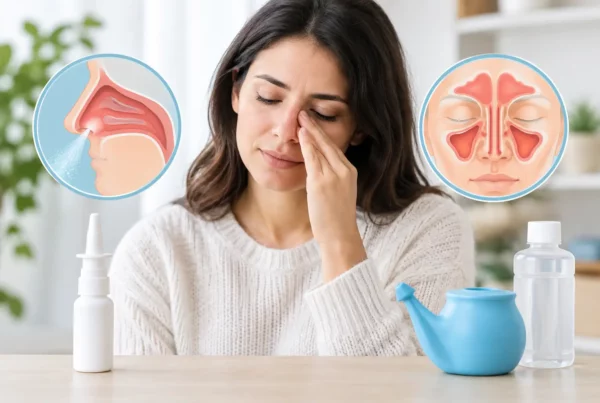
Saline nasal sprays or rinses may also be considered by some adults for nasal dryness or congestion. Use a product as directed. If making a rinse at home, take particular care with water hygiene and preparation instructions. Do not share nasal devices, and clean reusable equipment thoroughly after use.
Decongestant products may help some adults for a short period, but they are not suitable for everyone. They can interact with certain medicines and may be unsuitable with some health conditions. Nasal decongestant sprays should not be used for longer than the time stated on the label, as overuse can make blockage worse. A pharmacist can help you compare appropriate options based on your symptoms and medical history.
Steam inhalation safety for sinus symptoms: practical boundaries
If you still choose to use warm humidity for comfort, avoid improvised hot-water inhalation. Do not lean over boiling water, cover your head with a towel, or hold a bowl on your lap. Never use this method around children or when you feel weak, feverish, drowsy or unsteady.
A safer boundary is to choose ordinary, comfortably warm bathing or showering instead. Keep the bathroom ventilated, take care on wet floors, and stop if the heat makes you feel faint. This is about comfort, not a substitute for assessment or treatment when symptoms point to something more serious.
Should a scald occur, cool the affected skin under cool or lukewarm running water for 20 minutes as soon as possible. Remove jewellery or clothing near the injury only if it is not stuck to the skin. Do not apply ice, butter, creams or adhesive dressings. Seek urgent medical advice for significant burns, burns to the face, hands, feet, joints or genitals, chemical or electrical burns, or any concern about the severity of the injury.
When sinus symptoms need medical advice
Many episodes of congestion improve without antibiotics or specialist treatment, but not every persistent symptom is simply a cold. Speak to a doctor or qualified healthcare professional if symptoms are severe, worsening after initially improving, last longer than around 10 days without improvement, or keep returning.
Seek urgent medical advice for swelling or redness around an eye, changes in vision, severe headache, confusion, a stiff neck, marked drowsiness, persistent high fever, or difficulty breathing. These symptoms are uncommon, but they should not be managed with steam or home remedies alone.
Professional advice is also sensible if you have a weakened immune system, have recently had facial surgery or injury, or have an underlying condition that makes infections harder to manage. A pharmacist can often advise on suitable self-care and whether a medical appointment is needed.
A calmer approach to feeling blocked up
When your nose feels blocked and your face feels heavy, it is understandable to want immediate comfort. Choosing measures with a lower risk of harm – rest, fluids, appropriate pain relief, saline products used as directed, and comfortably warm air rather than hot steam – gives you room to monitor how you feel without adding the risk of a preventable scald.
This content is for general information only and does not replace advice from a qualified healthcare professional. Seek medical advice if symptoms are severe, persistent, worsening, recurrent or concerning.