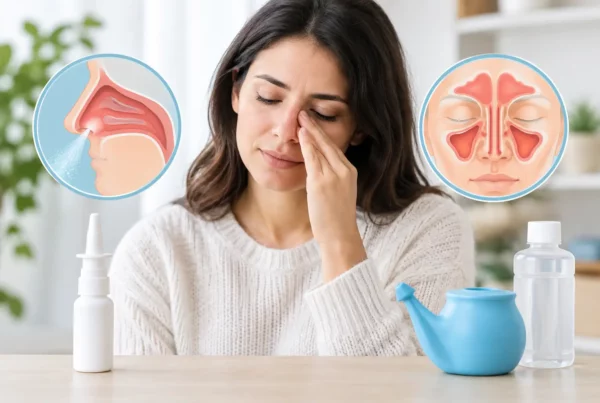
That heavy, blocked-up feeling across your cheeks or forehead often arrives just after a cold, and it can make a normal day feel surprisingly hard work. If you are wondering what can you take for acute sinusitis, the answer depends on your symptoms, your general health and how long the problem has been going on. In many cases, simple self-care and symptom relief may be considered first, but there are times when advice from a doctor or qualified healthcare professional is the safer next step.
Acute sinusitis usually means short-term inflammation or irritation in the sinuses, often linked to a viral upper respiratory infection. People may notice nasal congestion, facial pressure, thicker mucus, reduced sense of smell, post-nasal drip or discomfort that feels worse when bending forward. Not every headache or facial pain is sinusitis, though, so it helps to look at the full picture rather than one symptom on its own.
What can you take for acute sinusitis at home?
For many adults, the main aim is to ease discomfort while the body recovers. Paracetamol or acetaminophen may help with pain or fever, and ibuprofen may also be considered by some adults if it is suitable for them. The choice is not the same for everyone. For example, ibuprofen may be unsuitable if you have certain stomach problems, kidney disease, asthma triggered by anti-inflammatory medicines, or if a healthcare professional has previously advised you to avoid it.
If pain relief is appropriate for you, use it exactly as directed on the pack or by your pharmacist or doctor. Taking more than recommended is not likely to improve sinus symptoms and can be harmful.
Saline nasal sprays or rinses may also help some people by keeping the nose moist and helping to clear mucus. These are often used alongside rest, fluids and time. Some people prefer a gentle spray, while others use a saline rinse system. If you use a rinse, follow the instructions carefully and use water prepared exactly as recommended for that device.
Steam inhalation is often talked about, but evidence for clear benefit is limited, and hot steam carries a real risk of burns. If warm air feels comforting, it is sensible to avoid very hot water and take care, especially around children.
Medicines that may help – and where caution matters
A pharmacist may suggest a decongestant for short-term nasal blockage. These products are available in nasal sprays or drops and in some oral medicines. They may help some adults feel less blocked for a brief period, but they are not suitable for everyone.
Nasal decongestant sprays should generally only be used for a short time, because overuse can make congestion worse again. Oral decongestants may not be suitable if you have high blood pressure, certain heart conditions, glaucoma or other medical issues, or if you take medicines that could interact with them. This is one reason why asking a pharmacist can be useful, particularly if you have other health conditions.
Some people ask about antihistamines. These may be considered if allergy symptoms are also part of the picture, but they are not a standard answer for every case of acute sinusitis. If your symptoms followed a cold rather than hay fever or another allergy trigger, they may be less helpful.
Prescription treatments are different again. A doctor or qualified healthcare professional may consider them in selected situations, based on your symptoms, duration, examination and medical history. That decision should not be guessed at from a symptom checklist online.
What can you take for acute sinusitis if mucus feels stuck?
When mucus retention is part of the problem, gentle nasal care may be more useful than taking multiple medicines at once. Saline products may support nasal comfort and help loosen secretions for some people. Drinking enough fluid and resting may also support recovery, even if they do not directly clear the sinuses.
Some sinus-focused nasal spray products are intended for people with nasal congestion and sinus-related symptoms, but suitability, intended purpose and authorised claims vary by market. If considering any non-prescription sinus product, read and follow the product label, package leaflet or instructions for use. Nasodren® is one example of a sinus-focused product, but whether it is appropriate depends on the approved product information in your market and your individual circumstances.
It is best not to assume that a stronger-feeling product is automatically a better one. With sinus symptoms, the right approach is usually the one that matches the cause, the severity and how long symptoms have lasted.
When antibiotics are not the first answer
Many cases of acute sinusitis begin after a viral infection, which means antibiotics may not help. That can be frustrating when facial pressure and congestion are making you miserable, but it is one reason symptom management and monitoring matter. A doctor may sometimes consider antibiotics if there are signs suggesting a bacterial infection or if symptoms are unusually severe, prolonged or worsening.
This is an area where balance matters. It is not helpful to assume you need antibiotics straight away, but it is equally unhelpful to assume they are never needed. If symptoms are not following the usual pattern of gradual improvement, seek medical advice.
When should you speak to a doctor or qualified healthcare professional?
You should get medical advice if symptoms are severe, if they keep getting worse, or if they do not start to improve after around 10 days. It is also wise to seek help if sinus symptoms keep coming back, if you have a high fever, or if you are not sure whether sinusitis is really the cause.
Urgent assessment is important if you develop swelling around the eyes, changes in vision, severe headache, confusion, marked drowsiness, a stiff neck, or severe pain and tenderness that feels out of proportion. These symptoms do not always mean a serious complication, but they should not be ignored.
People who are pregnant, immunocompromised, have significant long-term conditions, or are taking regular medicines may need more individual advice before using over-the-counter options. The same applies if you have had previous sinus surgery or a history of frequent sinus problems.
A sensible way to decide what to take
If your symptoms are mild to moderate and have only been present for a few days, starting with simple measures is often reasonable. Pain relief, saline nasal care, rest and monitoring may be enough while things settle. If blocked nose is the main issue, a pharmacist can advise whether a short-term decongestant is appropriate for you.
If symptoms are more intense, one-sided, recurrent, or have lasted longer than expected, it makes sense to step away from self-treatment alone and ask for medical advice. The goal is not to take as many products as possible. It is to choose the safest, most appropriate option for your situation.
That means being careful with combination cold and flu remedies too. Some contain overlapping ingredients, so it is possible to double up on painkillers or decongestants without realising. Always check the label before combining products.
What not to do when you have acute sinus symptoms
It is easy to throw several remedies at sinus discomfort, especially when sleep is poor and pressure feels relentless. But more treatment is not always better. Using a nasal decongestant for too long, taking duplicate pain medicines, or trying unproven home remedies inside the nose can make things less straightforward rather than more effective.
It is also worth being cautious with advice from friends, forums or social media. Sinus symptoms can overlap with colds, allergies, migraine, dental problems and other conditions. What helped one person may not be suitable for you.
This content is for general information only and does not replace advice from a qualified healthcare professional. Always read and follow the product label, package leaflet or instructions for use. Seek medical advice if symptoms are severe, persistent, worsening, recurrent or concerning.
A good rule of thumb is this: take the least complicated route that safely eases symptoms, keep an eye on how things change over the next few days, and ask for professional advice sooner rather than later if the pattern does not look right.