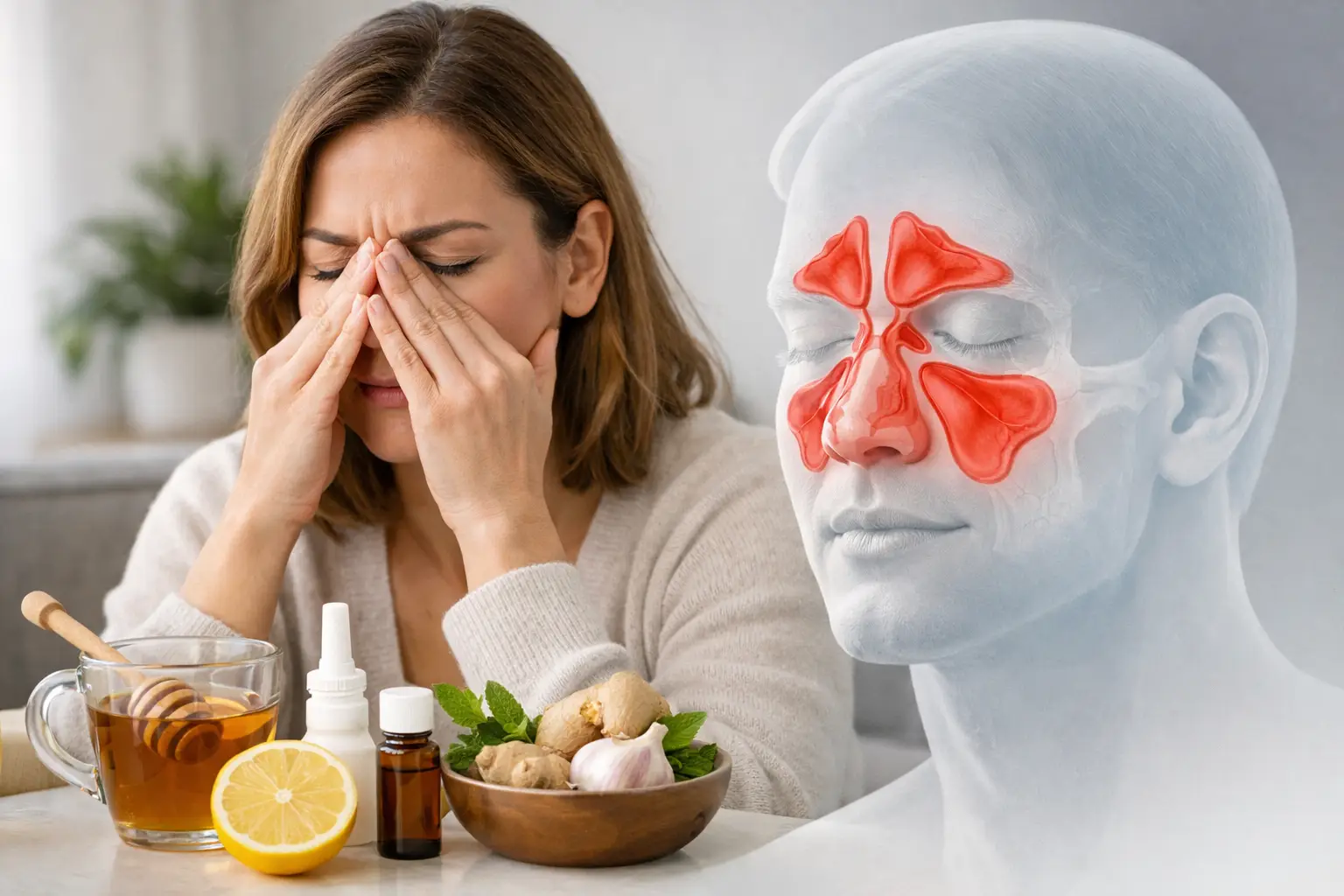
When your face feels heavy, your nose is blocked and every bend forward adds pressure, it is understandable to ask what natural remedies for sinus infection may actually help. The short answer is that some simple self-care measures can ease symptoms and support comfort, especially when sinus problems follow a cold. But “natural” does not always mean proven, and it does not mean suitable for everyone.
Sinus symptoms can happen for different reasons, including a viral upper respiratory infection, allergies, irritation or, less commonly, a bacterial infection. That matters because the best approach depends on what is driving the symptoms, how severe they are and how long they have been going on. A careful, practical approach is usually more helpful than trying lots of remedies at once.
What natural remedies for sinus infection may help?
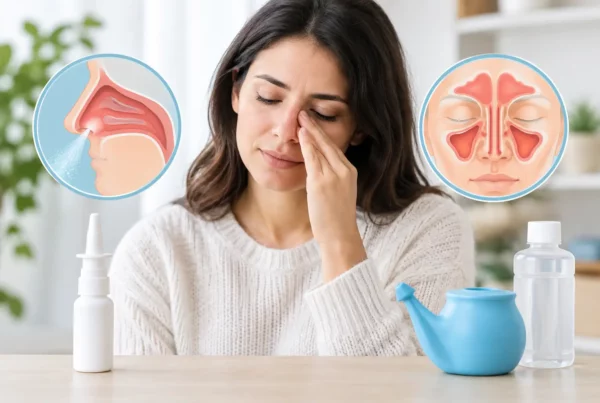
For many adults, the most reasonable starting point is gentle self-care aimed at moisture, drainage and comfort. Saline nasal rinses or sprays are among the best-supported options. They do not “cure” a sinus infection, but they may help wash away mucus, allergens and irritants, and can make the nose feel less congested. Some people prefer a spray, while others use a rinse bottle or neti pot. If you use a rinse device, hygiene matters – use sterile, distilled or previously boiled and cooled water, and clean the device exactly as instructed.
Steam or warm humidified air may also help some people feel more comfortable, particularly when thick mucus and dryness are part of the problem. The benefit is often temporary, and steam should be used with care to avoid burns. A warm shower may be safer and just as soothing as leaning over a bowl of hot water.
Warm compresses over the cheeks, eyes or forehead can sometimes reduce the feeling of facial pressure. This will not treat the underlying cause, but it may ease discomfort for a short period. Good hydration can also help keep mucus from feeling as thick and sticky, although drinking more water than usual is not a proven treatment in itself.
Rest matters too. If your sinus symptoms are linked to a cold or another viral illness, your body is already doing the work of recovery. Giving it time, keeping up fluids and avoiding cigarette smoke or other irritants may help you feel better while symptoms settle.
Which remedies need more caution?
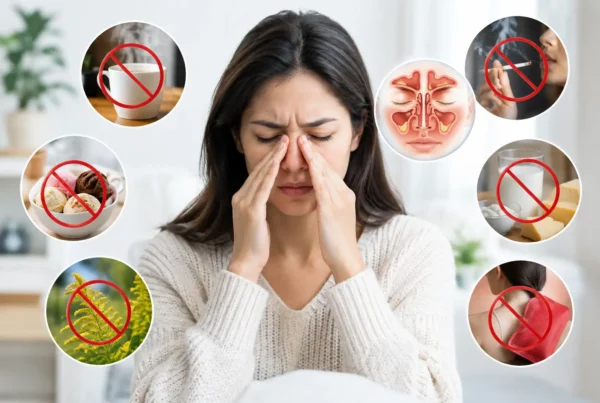
Some “natural” remedies are widely talked about but have limited evidence, or they can irritate sensitive nasal tissues. Essential oils are a good example. Smelling menthol or eucalyptus may create a sensation of easier breathing, but that does not mean the sinuses are opening or the cause is being treated. Essential oils should not be put inside the nose, and they can irritate the skin and airways in some people.
Herbal products and supplements are another area where caution is sensible. Evidence can be mixed, product quality varies and “natural” ingredients can still interact with medicines or trigger side effects. If you are pregnant, have asthma, allergies, high blood pressure, are taking regular medicines or have an underlying health condition, it is worth speaking to a doctor, pharmacist or qualified healthcare professional before trying them.
It is also easy to overdo home measures. Very frequent rinsing, very hot steam or strongly fragranced products can sometimes make irritation worse rather than better. If a remedy leaves your nose stinging, your skin irritated or your symptoms aggravated, stop using it.
A practical way to use self-care
If you are trying to work out what natural remedies for sinus infection are worth considering, start simple. One or two low-risk, practical measures are usually enough to judge whether they help. You might use saline once or twice a day, keep indoor air comfortably humid rather than dry, and use a warm compress when facial pressure is bothering you.
For pain or fever, some adults may consider standard over-the-counter pain relief such as paracetamol/acetaminophen, if suitable for them and used according to the label. That is not a natural remedy, but it can form part of sensible symptom relief. If you are unsure whether a medicine is appropriate, ask a pharmacist.
Sleeping with your head slightly raised may also help some people feel less congested overnight. It is a small change, but sometimes the most helpful measures are the least dramatic.
When symptoms may need more than home care
A lot of sinus discomfort improves gradually within days to a couple of weeks, especially when it follows a cold. However, not every blocked nose and every headache is caused by the sinuses, and persistent or severe symptoms deserve proper assessment.
Speak to a doctor or qualified healthcare professional if symptoms are severe, last longer than expected, keep returning or are getting worse instead of better. You should also seek medical advice if you have a high fever, marked swelling around the eyes, changes in vision, confusion, severe one-sided facial pain, a very severe headache, or symptoms after a facial injury. These are not symptoms to manage with home remedies alone.
Medical advice is also important if you are immunocompromised, pregnant, have significant underlying illness, or are not sure whether your symptoms are sinus-related at all. Facial pain, pressure and headache can have several causes, including dental problems, migraine and other conditions.
Where a sinus-focused product may fit
Some adults consider non-prescription sinus-focused products alongside general self-care. If using any nasal product, choose one that is appropriate for your symptoms and use it only as directed. Nasodren is a sinus-focused nasal spray product, but any reference to its use, intended purpose and claims should be checked against the approved product information for the relevant market before publication or recommendation. Always read and follow the product label, package leaflet or instructions for use.
The key point is that products can support a broader self-care plan, but they are not a substitute for diagnosis when symptoms are severe, unusual or not improving.
What the evidence says, in plain English
The evidence for natural remedies in sinus symptoms is uneven. Saline irrigation has the most consistent support for helping nasal symptoms and comfort, although study methods vary and it does not work the same way for everyone. Humidified air and steam may provide subjective relief for some people, but evidence is less consistent. Warm compresses and hydration are common comfort measures with modest, practical value rather than strong proof of major benefit.
That may sound underwhelming, but it is actually useful. It means you can focus on measures that are low risk and sensible, rather than spending money on products or remedies with big promises and little support behind them.
A few questions worth asking yourself
Before treating sinus symptoms at home, it helps to pause and ask what is most troublesome. Is it mainly blocked nose, thick mucus, facial pressure, dryness or disturbed sleep? The answer can guide what is most likely to help.
If thick mucus and congestion are the main issue, saline and hydration may be more useful than scented products. If dryness and irritation are the problem, steam from a shower or a more comfortable room humidity level may feel better. If pain is the main concern, warm compresses and suitable pain relief may matter more than anything labelled “natural”.
That symptom-led approach is often more effective than chasing the idea of a single remedy.
References
Clinical Knowledge Summaries. Sinusitis. National Institute for Health and Care Excellence.
NHS. Sinusitis.
Royal College of Surgeons of England. Commissioning guide and patient information on rhinosinusitis and related sinonasal symptoms.
Head K, Snidvongs K, Glew S, et al. Saline irrigation for allergic rhinitis and sinonasal disease. Cochrane evidence and related reviews on nasal saline use in upper airway conditions.
This content is for general information only and does not replace advice from a qualified healthcare professional. Always read and follow the product label, package leaflet or instructions for use. Seek medical advice if symptoms are severe, persistent, worsening, recurrent or concerning.
A good rule is to keep self-care gentle, realistic and time-limited – if your symptoms are not clearly easing, getting the right advice is often the most helpful next step.